Where to Buy Eye Drop B2B Diffuser Bottles?
In the home fragrance market, creating a premium product goes far beyond blending a captive scent. For wholesale buyers, private label brands, and hospitality sourcing managers, the ultimate goal is consistent performance. While a beautiful diffuser bottle captures a consumer’s eye, the reeds themselves act as the engine of the entire product.
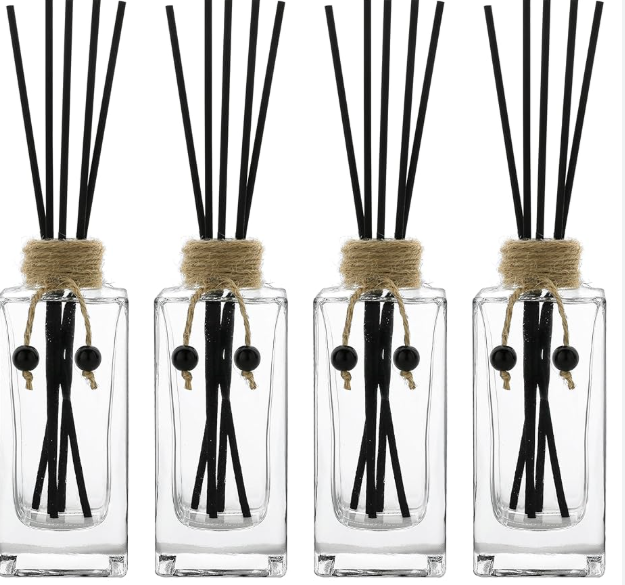
Choosing the wrong reed type can lead to poor scent throw, clogged pores, or rapid evaporation, driving down customer satisfaction and repeat purchases. As an all-in-one hardware and vessel partner, we understand that a high-performing home fragrance product requires a 100% harmonious integration between the liquid formula, the neck of the diffuser bottle, and the wicking material.
This comprehensive B2B guide breaks down the three main reed types available in the market, helping you make an informed decision for your next product line.
1. Rattan Reeds: The Traditional Industry Standard
Rattan reeds are harvested from the rattan palm and have been the historical go-to choice for classic reed diffusers.
How They Work: Rattan contains small, hollow channels or "vessels" running along the inside of the stick. These channels naturally draw the fragrance oil up from the diffuser bottle via capillary action, releasing the scent into the air.
Best Suited For: Low-viscosity, alcohol-based, or traditional solvent-based diffuser oils.
Pros: They offer a classic, organic, and rustic aesthetic that appeals to eco-conscious and traditional home fragrance brands.
Cons: Rattan channels can occasionally get clogged, especially if your formula contains heavy essential oils or high-viscosity carriers. This means consumers will need to manually flip the reeds every week or two to refresh the scent.
2. Fiber Reeds: The Modern, High-Performance Alternative
Engineered from specialized polyester-cotton blends, fiber reeds are rapidly becoming the preferred choice for modern luxury home fragrance brands.
How They Work: Unlike rattan, which relies on natural plant veins, fiber reeds feature thousands of scientifically manufactured, uniform pores. They absorb and release fragrance at a highly controlled, accelerated rate.
Best Suited For: A wide variety of oil bases, including modern eco-solvents (like Augeo), high-viscosity carrier oils, and complex synthetic fragrance blends.
Pros:
Stronger Scent Throw: They pull and diffuse oil much faster than rattan, making them excellent for large rooms.
No Flipping Required: The engineered pores rarely clog, eliminating the need for consumers to flip the sticks.
Color Customization: Because they are manufactured, fiber reeds can be dyed sleek black, crisp white, or custom brand colors without bleeding into the fragrance oil.
Cons: Because they wick oil more efficiently, they can cause the diffuser liquid inside your diffuser bottle to evaporate faster, slightly shortening the product’s overall lifespan.
3. Bamboo Sticks: Why Brands Should Avoid Them
It is very common for emerging brands or inexperienced sourcing agents to mistake bamboo sticks for rattan reeds. However, in the professional B2B fragrance space, bamboo is generally avoided.
The Structure Issue: Bamboo sticks contain "knots" and a dense solid core designed for structural strength, not liquid absorption. They do not possess the open, continuous capillary channels found in rattan or fiber.
Performance: Diffuser oil will struggle to travel past the solid bamboo barriers, resulting in an extremely weak, almost non-existent scent throw.
Sourcing Advice: When building your bill of materials, ensure your supplier explicitly specifies "Rattan" or "Fiber" rather than generic "Wooden Sticks."
4. Technical Sourcing Metrics: Matching Reeds to Your Diffuser Bottle
To ensure your home fragrance collection performs perfectly and arrives safely to your clients, pay close attention to these engineering configurations:
Reed Length vs. Bottle Height
A golden rule of thumb for visual balance and optimal wicking is that the reeds should be roughly double the height of the diffuser bottle. For a standard 100mL or 200mL glass vessel standing 10cm tall, a 20cm to 25cm reed stick provides the perfect aesthetic and diffusion surface area.
Neck Diameter and Airtight Travel Security
The bottleneck opening determines how many reeds can fit inside. A tight, narrow neck limits evaporation from the surface of the oil, forcing the scent through the reeds where it belongs.
Furthermore, if you are providing a complete DIY tool kit or a retail-ready gift box, ensure your diffuser bottle is paired with a premium, tight-fitting inner silicone plug or plug-and-screw cap. This guarantees zero leakage during rough sea freight transit and container consolidation before reaching your buyers.
Build Your Next Diffuser Line with a Flexible Hardware Partner
Navigating the exact ratios of custom glassware, custom-glazed ceramics, matching reeds, and secure closures can be a daunting supply chain task. We specialize in taking the guesswork out of the process for growing private labels and international wholesale distributors.
By maintaining strict adherence to original technical drawing proportions and ensuring a 100% seamless fit between our vessels and hardware components, we provide a reliable, flexible manufacturing experience. Whether you are looking to launch a classic collection or a contemporary line, we support your business with low MOQs starting at just 300 pieces.
Contact Our Sourcing Team Today
Ready to request a free sample kit or receive a 3D volumetric blueprint for your next custom project? Reach out to us directly through our 12-hour rapid response channels:
Email: [email protected]
WhatsApp: +86 150607476524
Corporate Entity: Xiamen ihwares Co., Ltd